Water filter vacuum cleaner, with bag or bagless? What should you choose?
Choosing a water filter vacuum, a bagged model, or a bagless one may seem easy. But in reality, anyone looking for an effective cleaning and sanitizing solution often finds themselves lost among models that only appear similar. Each type of vacuum has different features that affect the cleaning results, indoor air quality, and day-to-day maintenance. Whether for home or professional use, it’s essential to evaluate both suction power and the system’s ability to trap allergens and fine dust. This guide compares the three most common vacuum technologies, ending with TPA’s water-based solution with active sanitization.
Classic bag vacuum cleaners and their limitations
Bagged vacuum cleaners are the most traditional and widely known systems. Many prefer them due to their long-standing reputation as one of the first vacuum cleaner technologies. One major strength is hygienic dust management: the bag traps dirt and allergens, minimizing contact when emptying. However, in daily use, several limitations emerge. The need for disposable bags results in ongoing expenses, and full bags reduce the vacuum’s performance. Also, users can’t easily check the bag’s fill level without opening the compartment.
This solution works in environments with low exposure to dirt, or where the priority is to manage dust without deep cleaning. It’s a practical choice for basic cleaning needs but doesn’t offer effective cleaning and sanitization of indoor spaces.

Bagless vacuums and the maintenance they require
Cyclonic systems separate dust from the air and collect it in a rigid container, eliminating the need for bags while maintaining consistent suction. But during emptying, some dust particles may be released into the air, and filters require regular cleaning to remain efficient.
This technology is practical and suitable for daily household use but falls short in settings that require high-level cleaning and sanitizing, or in controlling indoor air quality.
Water filter vacuum cleaners and air quality control
In a vacuum cleaner with water filter, the sucked-in dirt passes through a water layer and gets trapped. This solution is helpful for households with pets, children, or allergy sufferers. Fine particles are retained and the air released is theoretically cleaner. But not all water vacuum systems are equally effective.
The most common and affordable models use a basic design with a tube submerged in water to create bubbles during suction, similar to blowing into a straw. Dust gets caught inside the bubbles, which then burst at the surface, potentially releasing contaminants back into the air. As a result, these units offer limited filtration and air purification, especially in contexts that demand higher hygiene standards.

TPA water filter with Rain System and UVC light
TPA technology was developed to capture what other systems often recirculate. At its core is a water filter vacuum with the patented Rain System and built-in UVC light. The water is atomized into micro-droplets that trap even the lightest particles, while the UVC light knocks down microbial load. The active misting control ensures consistent performance on uneven surfaces and textiles, turning the vacuum into a professional-grade water air purifier. No chemicals are required, no fine dust is released, and the system meets HACCP standards.
Advantages that make the difference
- Constant mist control: The molecular separation system ensures continuous and stable water atomization, capturing even the finest dust on carpets, tiles and fabrics without dispersion.
- Patented Rain System: The high-speed turbine creates micro-droplets that trap and weigh down airborne particles, making the filtering process more efficient and uniform than in traditional water filter vacuum systems.
- Easy machine cleaning: A single tank to empty, no internal parts or extra filters to remove. You simply pour out the dirty water, refill with clean water, and continue cleaning and sanitizing without interruptions.
- Active sanitization with integrated UVC: The germicidal lamp neutralizes viruses, mold and bacteria. The outgoing air is fully sanitized, not just filtered, making the system ideal for HACCP-certified and professional environments.
- Zero dust and allergen dispersion: The combined effect of water misting and UVC prevents the release of fine particles (PM2.5/PM10), improving air quality and comfort for those with asthma or allergies.
- Designed for professional use: A robust and durable structure built for intensive applications in healthcare, hospitality and industry, where hygiene and reliability are essential.
Learn more about how the TPA filter works
To explore in detail the internal technology, the germicidal function of the UV-C lamp and how it differs from other vacuum cleaners with water filter, read our technical insight here.
TPA Steam for deep cleaning
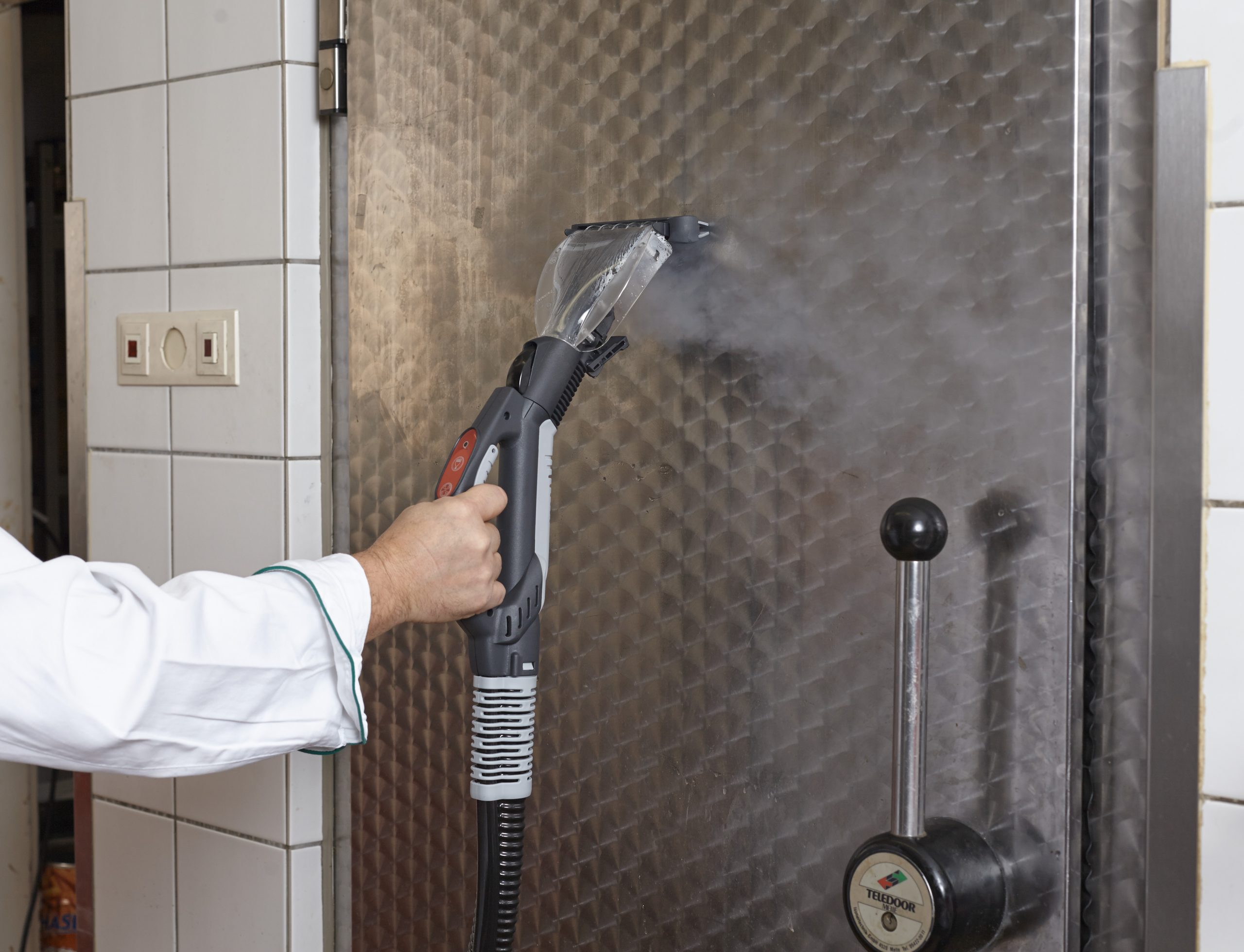
TPA cleaners also feature steam power. What looks like a standard steam vacuum cleaner becomes a complete cleaning and sanitizing system thanks to its patented filtering technology
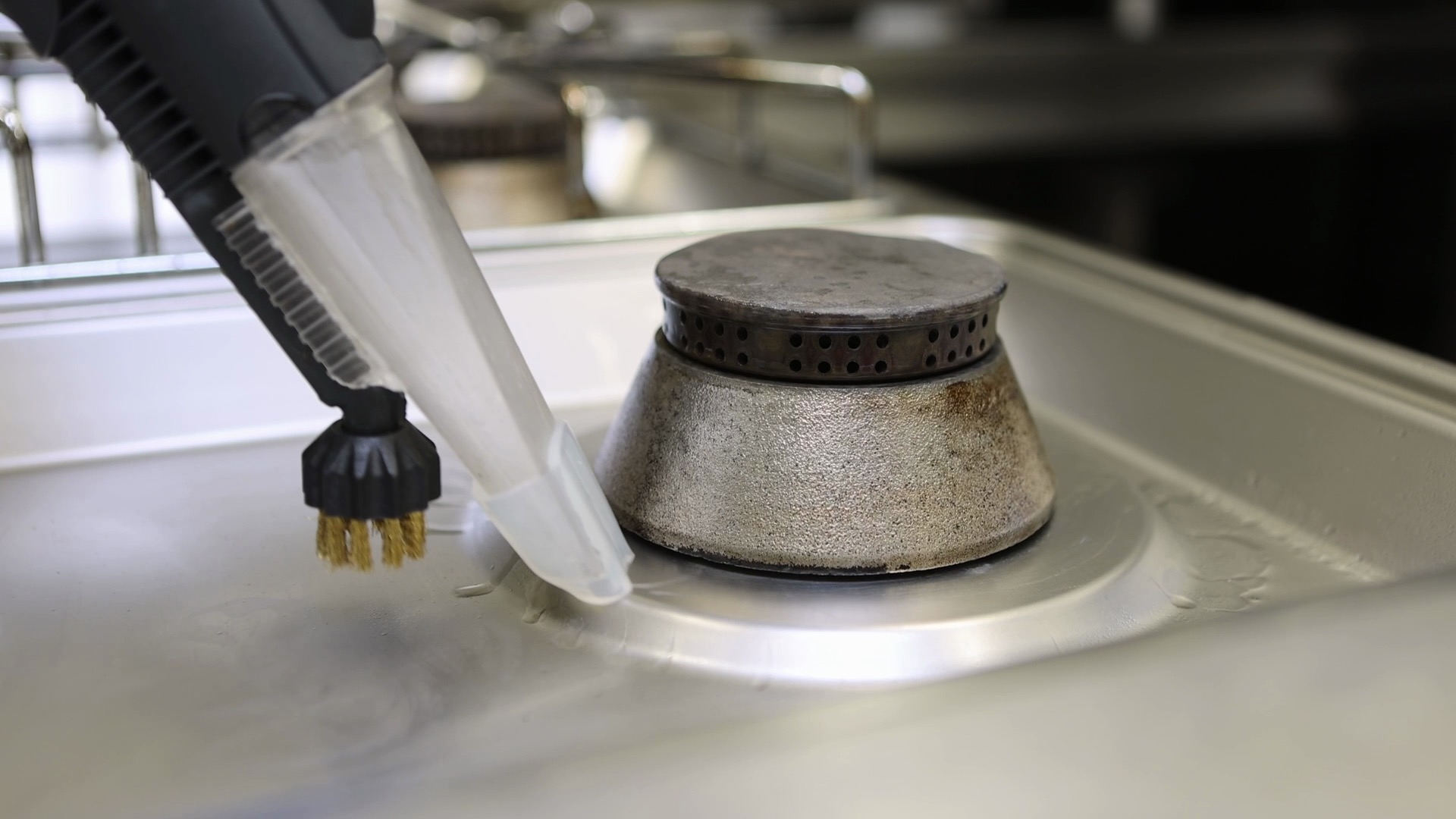
High-temperature steam breaks down dirt, while simultaneous suction collects it directly into the water filter, and UVC light neutralizes pathogens. This process delivers deep cleaning without chemicals, fresher air, and instant odor removal across home and professional spaces. The tank is emptied in seconds, with no filters to wash, allowing continuous operation and fast maintenance.
When a TPA system is the right choice
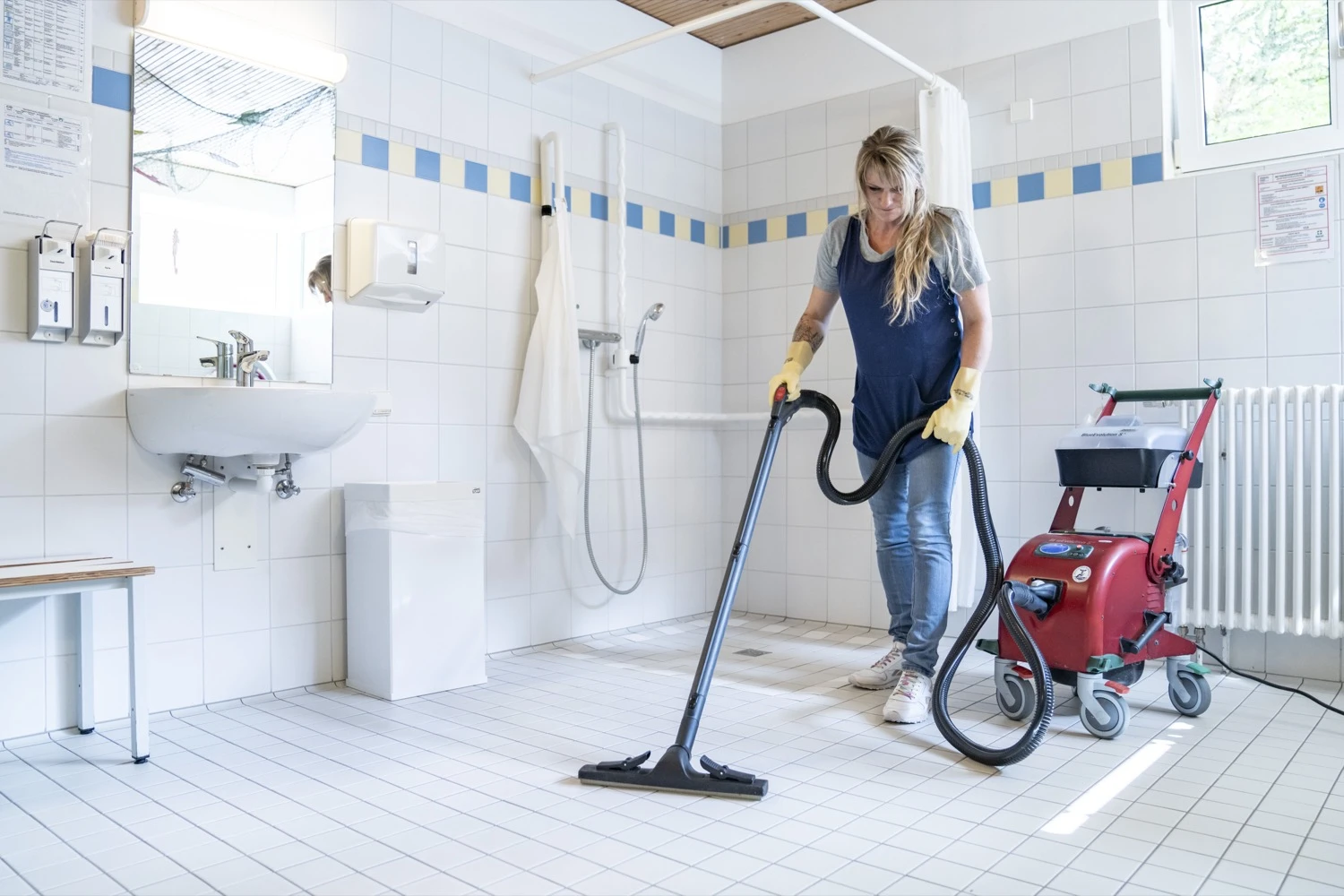
A TPA vacuum is an ideal solution for hotels, commercial kitchens, clinics, medical offices, pharmacies, schools, showrooms, and other high-traffic spaces. It’s also perfect at home when children or people with allergies are present. The models that combine water filter vacuum and steam are suited for settings where equipment must handle both dry and liquid waste while ensuring constant cleaning and sanitization.
Water filter vacuum vs. TPA: Key Differences
| Feature | Standard Water Filter Vacuum | TPA Rain System + UVC |
|---|---|---|
| Filtration quality | Moderate, depending on use and maintenance | Consistent thanks to active misting and patented filter |
| Sanitization | Only mechanical filtering | Real germicidal action with built-in UVC |
| Maintenance | Requires manual disassembly and cleaning | Easy tank-emptying, no parts to remove |
| Professional use | Limited to home use | Built for professional and medical settings |
| Dust emissions (PM 2.5/10) | Possible residual dispersion | Zero fine dust released, air is purified |
| Odor removal | No | Eliminates odors from smoke, pets, and dampness |
| HACCP compliance | Not certified | Fully HACCP compliant |
| Combined technology | Only vacuum | Steam + vacuum + UVC = total cleaning |
The TPA system thus represents a technological advancement that combines filtration, suction, and steam in a single device, ensuring deeper cleaning and truly sanitized air.
If you want to assess how TPA systems can be integrated into your professional cleaning processes, feel free to contact us and our technical team will provide you with all the information you need to support your decision.
FAQ
Are water filter vacuum cleaners suitable for allergy sufferers?
Yes. These systems are ideal for people with asthma or respiratory allergies, as they trap fine dust and allergens in water, preventing them from recirculating into the air.
Can mold be removed from fabrics and upholstered surfaces with a regular water filter vacuum?
Not effectively, as suction alone doesn’t reach deep enough. TPA cleaners use steam to penetrate fabrics, then immediately vacuum through the Rain System water filter, trapping dirt and spores without releasing them back into the air.
What’s different about the TPA water filter compared to other vacuum cleaners with water filter?
TPA combines UVC sterilization, suction and steam in one machine. It filters and sanitizes air and surfaces without chemicals. The Rain System allows for quick emptying and rinsing of the tank without dismounting internal parts, unlike many water filter vacuum models.
Do TPA systems use more water or energy than other vacuum cleaners?
No. TPA machines are built for efficiency. The combined use of water and steam reduces waste and operating costs, especially where cleaning is frequent or intensive.
Can TPA water filter systems also vacuum liquids?
Yes. TPA models handle both dry and wet cleaning, making them ideal for restaurants, workshops, car washes and areas with spills or moisture.
Can steam cleaners damage floors?
Yes, in some cases. Prolonged use of pure steam on delicate surfaces like parquet or laminates can cause damage. TPA’s controlled steam and simultaneous suction prevent this, allowing safe use on all surfaces including parquet, tiles, laminates and carpets.
Do TPA systems require detergents?
Not necessarily. Thanks to high-temperature steam and the UVC filter, TPA machines clean and sanitize effectively without chemical detergents, making the process more eco-friendly and safe.